

We are nature experiencing itself.
Ecosomatics explores the relationship between body, mind, and the living world. Through movement, sensory awareness, creativity, and attention to place, it invites us to experience our belonging to nature through the body itself.
We are continually shaped by the places we inhabit: by water, weather, light, sound, gravity, and the presence of other beings. Attending to these relationships can open fresh ways of understanding ourselves and participating in the life around us.
The body speaks in weather patterns.
One question has followed me throughout my life: what does it mean to have a body?
I have come to experience the body as a sacred companion, a living intelligence speaking through sensation, image, rhythm, memory, and movement. It contracts, floods, blooms, aches, softens, and remembers. Much of its language arrives before words. Learning to listen means allowing time for meaning to emerge.
The processes that shape the Earth also move through us: renewal, seasonal turning, decay, and regeneration. We have rhythms of activity and rest, times of abundance and depletion. Exploring these connections can bring curiosity and tenderness to experiences we might otherwise judge or try to control.
Some forms of knowing emerge through this direct encounter with life. They arrive beside rivers, beneath trees, through movement, or in silence shared with another being. My work creates space for these encounters and for the questions, feelings, and possibilities they awaken.
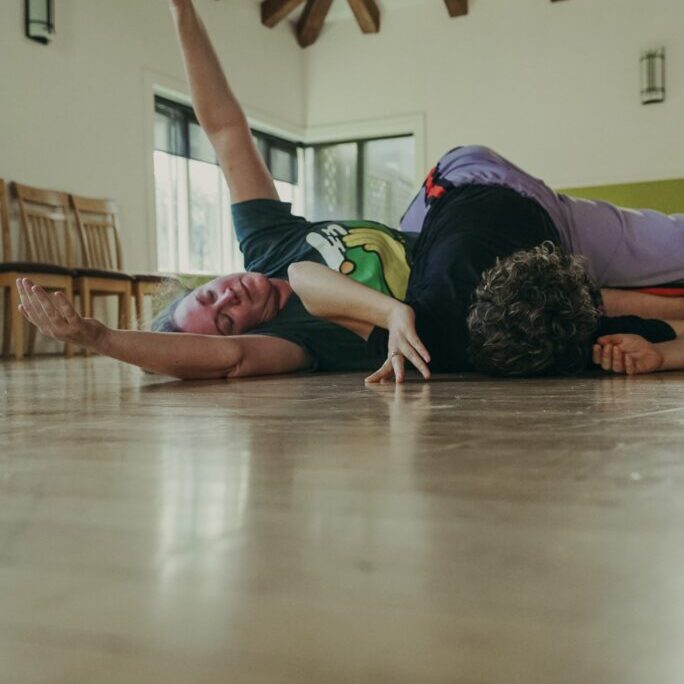
Contact, Touch, and Belonging
We come to know the world through contact. Feet meet earth, hands explore bark, skin receives water. We lean against trees, rest on rocks, lie in grass, tend plants, and encounter other animals. There is a physicality to our intelligence that asks to be explored: through pressure, texture, warmth, resistance, and the discovery of what can hold us. Reaching, leaning, and pressing against are ways of sensing ourselves in relationship with the world.
Contact with one another belongs within this exploration, too. Consensual, nonsexual touch can offer comfort, play, communication, and mutual support. We create environments where touch is welcomed, preferences and boundaries are respected, and every invitation includes the freedom to participate, change our minds, or step away. With room for different histories, sensitivities, and desires, we can discover which forms of contact feel nourishing and how to meet another person while remaining attentive to ourselves.
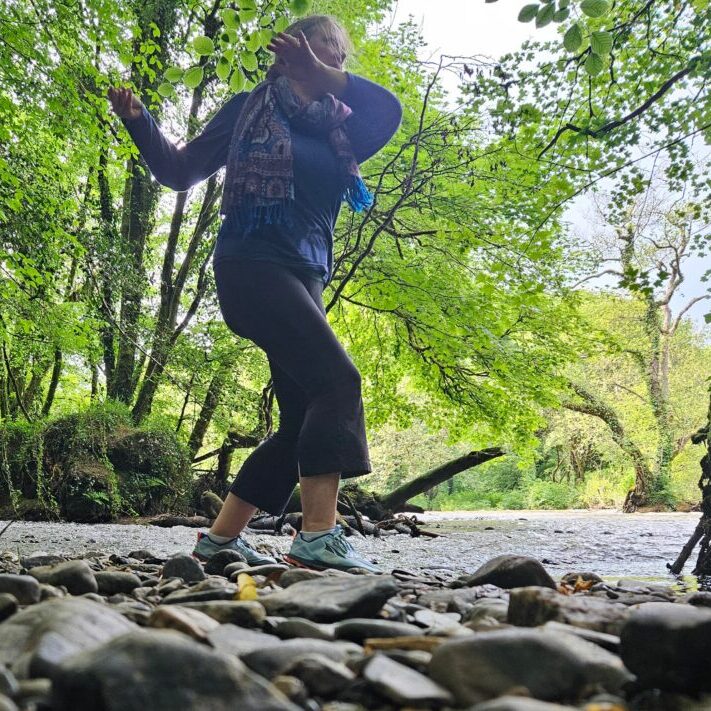
How we explore this together.
In practice, this might mean following a small impulse to move, noticing how your breathing responds to a particular place, or giving a felt experience expression through drawing, sound, or story. Study and conversation sit alongside opportunities to sense, imagine, play, and reflect.
Water offers a particularly immediate way to explore relationship. Buoyancy, pressure, breath, touch and support change the conditions in which we move and perceive ourselves. Familiar patterns of holding may soften. We can discover different possibilities for receiving support, following an impulse, and moving with another person.
Shared practice also invites us to consider how we meet one another. We make room for different rhythms, communicate preferences and boundaries, and explore the balance between attending to ourselves and responding to others. There is space for solitude, companionship, stillness, and movement.
Over time, these explorations may inform ordinary moments: recognizing when we need rest, listening with greater patience, or becoming more attentive to the places that sustain us. The practice continues in how we live, what we notice, and what we choose to care for.